

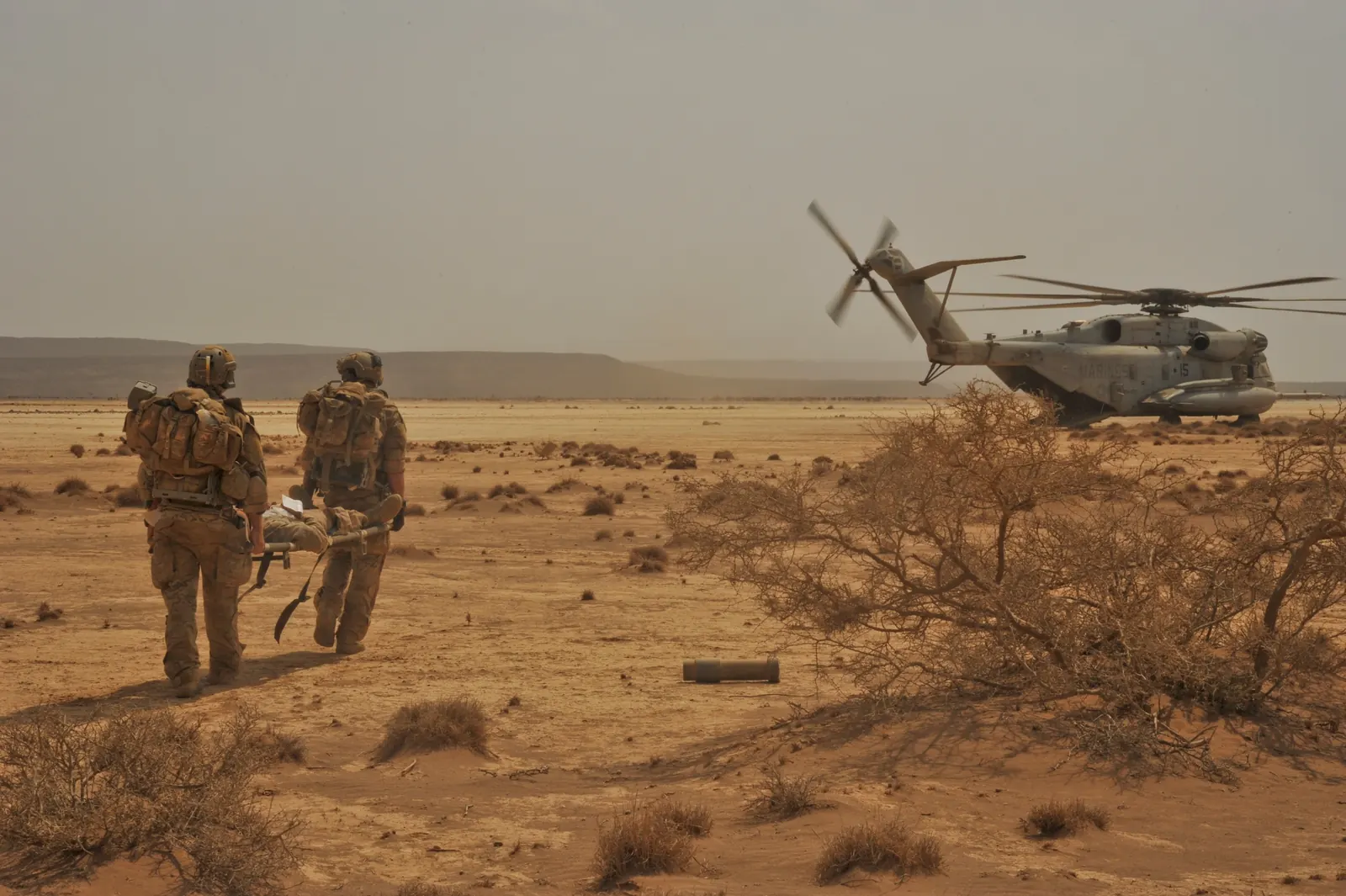
Personnel Recovery (PR) encompasses military, diplomatic and civilian efforts to recover isolated personnel and provide subsequent care and reintegration. In military operations, PR connects individual preparation with reporting, locating, supporting and picking up personnel through the efforts of friendly or allied forces. Medical and psychological care and debriefing on the isolation experience are also part of it.
When is Personnel Recovery needed?
Personnel are considered isolated when they are separated from their unit or organisation and are no longer under the intended control of their own side. This can affect military personnel as well as civilians within the operational system. Possible starting points include an aircraft emergency, an attack, a disabled vehicle or being cut off during movement.
The person need not be alone or inherently unable to return independently. Several personnel cut off together can also be isolated. Captivity is another possible situation. Recovery must therefore account for their location, condition, the threat and the options actually available.
Preparation before possible isolation
Preparation establishes how personnel at risk should make contact, report their position, use signalling equipment and cooperate during pickup. Suitable survival equipment and training are also required. Commanders and recovery forces, in turn, must know what resources are available, who makes decisions and how the organisations involved exchange information.
An Isolated Personnel Report (ISOPREP) provides information for identification and authentication. An Evasion Plan of Action (EPA) describes intended actions in the event of isolation.
A national PR point of contact can check information, establish contact with the responsible coordination bodies, agree procedures with partners and provide familiarisation with available survival and rescue equipment.
The five tasks during a PR incident
- ReportRecognise possible isolation and inform the responsible organisations.
- LocateEstablish location and verify the information.
- SupportMaintain communication, supplies and protection.
- RecoverBring personnel under the control of their own or a friendly organisation.
- ReintegrateProvide care and support and gather information from the isolation experience.
Report – recognising and reporting isolation
The initial report may come from the isolated person, their unit, eyewitnesses or reconnaissance assets. An overdue return may also provide an indication. After an accident or attack, attention may initially focus on the event while the absence of individual personnel goes unnoticed. The unit therefore needs to establish who is still present and who is missing.
The report must be verified and passed to the responsible command and PR organisations. False reports and attempts at deception must be considered. If suitable forces are already on the scene, immediate recovery may be possible. Involving coordination bodies then serves to coordinate and support the response; it is not in itself a reason to delay feasible local assistance.
Locate – establish the person's location
Location information may come from radio contact, observation, position data or reports from other forces. It is checked and incorporated into the operational picture. Terrain, possible movement, injuries and hostile activity affect where and under what conditions a person can be reached.
Coordinates show where a contact is. Authentication seeks to confirm that the contact is actually the person being sought. It protects isolated personnel and recovery forces from deception. The information and procedures used for this purpose must be protected against disclosure and misuse.
Support – assistance before pickup
Support can begin before physical pickup is possible. It includes communication, navigation guidance, supplies, psychological support and measures against the hostile threat. Radio contact, for example, allows information about the person's condition to be obtained and further action to be coordinated with them.
Support must take the next movement and a possible pickup into account. Directing someone to another location changes their position, the time required and the conditions for recovery. Information and support are therefore updated as the situation develops.
Recover – pickup and return
Recovery returns isolated personnel to the physical control of their own or a friendly organisation. A single suitable vehicle may be sufficient; in other circumstances, several air, land or sea elements must work together. Recovery forces must be able to reach the person, confirm their identity and conduct the pickup under the conditions encountered.
The isolated person supports this process with accurate information and coordinated conduct. Relevant information includes the number of people, their health, identifiable hazards, obstacles and available signalling equipment. Approach, recognition and movement must be coordinated between both sides.
Reintegrate – care and support after recovery
After pickup, medical and psychological care and further support may be needed. Debriefings address the isolation experience, the adversary and the procedures used. This information may be important, for example, in locating other isolated personnel or improving preparation.
Planning and delivery are primarily national responsibilities. Partners may contribute under appropriate agreements. Care and debriefing must take account of the recovered person's condition and needs.
Who plans and commands recovery?
Three military elements work together within the PR system: isolated personnel, commanders and staffs, and recovery forces. Coordination bodies combine information into an operational picture and coordinate the use of available forces.
| Abbr. | Role |
|---|---|
| JPRC | Joint Personnel Recovery Centre: consolidates information and coordinates PR across components on behalf of the joint command. |
| PRCC | Personnel Recovery Coordination Cell: plans and coordinates PR within a component and maintains contact with the joint command. |
| RMC | Rescue Mission Commander: plans and conducts the PR mission and exercises tactical control over the forces assigned to the pickup. |
| OSC | On-scene Commander: coordinates on scene, particularly during support, and may hand over command to a suitable RMC. |
A Personnel Recovery Task Force (PRTF) is assembled for the specific mission. Its tasks may include locating, authentication, protection, command and pickup. The Recovery Vehicle is the air, land or sea platform that picks up the person. Other elements may provide protection and escort, or establish physical contact on the ground.
Recovery by own, component or joint forces
In Self-recovery, isolated personnel return to friendly control on their own initiative. This may happen without support, but it can also involve assistance that becomes available. Unit recovery is recovery by the person's own unit. Component recovery uses forces from a functional component, such as the land or air component; Joint recovery involves at least two components.
These terms distinguish which forces carry out the recovery. A unit may initially try to resolve the situation using available forces. If their capabilities are insufficient, support is coordinated at component or joint level. Joint refers to cooperation between different components, not simply the involvement of several nations.
Combat Recovery, CSAR and SAR
Within the NATO framework, Combat Recovery (CR) denotes the military recovery of isolated personnel who are not detained, from a hostile or potentially hostile environment using conventional military procedures. Releasing personnel from an adversary's custody falls outside this definition of CR.
In this framework, Combat Search and Rescue (CSAR) is a form of Combat Recovery involving SERE-trained and appropriately equipped personnel and specially organised and equipped capabilities designated nationally for PR. The requirements concern both sides: isolated personnel and recovery forces. Armed escort alone therefore does not make a rescue CSAR.
Search and Rescue (SAR) refers to search and rescue in emergencies on land or at sea. How SAR capabilities are incorporated into military PR planning differs nationally. The Belgian approach explicitly includes them as a possible capability. The British PR model uses forces suited to the task from their regular roles and does not presuppose a separate dedicated CSAR force.
How SERE and Personnel Recovery work together
SERE prepares personnel at risk to survive isolation, avoid capture, resist exploitation by an adversary and support their return. Personnel Recovery also encompasses the system that supports these people, organises their recovery and prepares their reintegration.
Commanders and staffs also need their own PR preparation. In the United States, the Joint Personnel Recovery Agency (JPRA) supports operational planning, reintegration, SERE training and PR training for command personnel and staffs, among other functions. National points of contact and joint coordination bodies align this preparation with the procedures and resources of the operation concerned.
The appearance of U.S. Department of War (DoW) visual information does not imply or constitute DoW endorsement.