

Austrian SERE prepares soldiers to survive separation from friendly forces in hostile territory, evade capture and contribute to their own recovery. After an emergency landing, aircrew must use whatever they can take from the aircraft. For the Jagdkommando, operations behind enemy lines without follow-on supplies are another possible starting point. Captivity and hostage detention therefore form a distinct part of this preparation.
In the Austrian qualification model, SERE means Survival, Evasion, Resistance and Extraction. Pilot preparation also includes using opportunities to escape from captivity. Someone who remains separated from friendly forces after escape must again organise protection, supplies and concealed movement independently. Extraction concerns cooperation with the forces that collect the person and bring them back.
Levels and connected tasks
The preparation required in the Bundesheer depends on the operating area, the person's function and their branch. Different SERE levels are integrated into air force and Jagdkommando career training. The Austrian qualification model connects the levels as follows:
| Level | Content and task |
|---|---|
| A | Theoretical foundations covering the particular dangers of isolation. |
| B | For a Medium Risk of Isolation: theory and practical survival skills, preparation for prisoner-of-war or hostage detention, and conduct during recovery by friendly special forces. |
| C | An additional continuous simulated survival situation lasting at least 72 hours. This figure concerns the scenario phase, rather than the total course length. |
Practical B training can already connect several tasks. With a deliberately limited packing list, participants address weather protection, finding and treating water, movement by day and night, self-aid and buddy aid, and measures to obscure their own traces. Someone establishing shelter uses the same limited resources that will later be needed during movement. An exhausted or injured companion changes the group's ability to move; assistance and supplies therefore remain tasks for the participants themselves.
In the continuous C scenario, participants must carry out these tasks over several days. Water must remain available for the next movement, weather protection for the next rest period, and physical strength for the continuing journey. Decisions about consumption or movement carry into the following phase. They must keep providing protection and supplies for themselves to remain able to act.
From initial concealment to independent movement
After landing in an insecure area, a pilot begins evasion with a short sequence: retain important equipment, leave the aircraft promptly and reach a protected place. The aircraft initially gives an enemy search a conspicuous starting point. The person must separate from it while keeping the means needed for protection, supplies and later signalling.
At the protected place, the next movement depends on the remaining equipment and the person's condition. How long will the water last, what protection against cold or heat is available, and can the next leg be completed in the present physical state? Obtaining water may require an additional journey; inadequate weather protection may make a longer stay dangerous. Pilot preparation therefore connects concealment with supplies, terrain movement, conduct at night and avoiding hazards. A hide remains useful only while the person can retain the ability to act there.
A concrete Austrian B/PR task involves moving from rendezvous point to rendezvous point in darkness. Participants must evade pursuers and arrange pickup by friendly forces using a signal agreed beforehand. Participants therefore know their next destination and the signal to use for later contact. The signal is intended for the designated receiver. Under enemy threat, the person must continue to combine concealment and avoiding traces with the ability to draw friendly forces' attention deliberately.
Information protection, exploitation and fellow captives
Confidentiality and assistance to comrades in need or danger belong to the military conduct required of Austrian soldiers. During questioning, identity must remain separate from information concerning the mission and other personnel. In prisoner-of-war captivity, the obligation to identify oneself covers family name, given names, rank, date of birth and service number or an equivalent identifier. Questions about operations, capabilities or other people go beyond establishing identity.
The group also remains a personal responsibility. Soldiers must protect comrades from unnecessary danger and assist them in need. Information about another captive can make that person a target for further questioning. Personal exhaustion does not remove this protective responsibility; resistance therefore also involves considering what an answer may do to other people.
An additional Austrian form is the Jagdkommando's civilian hostage preparation for journalists, photographers and camera operators. Here, disclosure of personal and deployment-related information is limited; innocuous truthful details are used to keep the conversation narrow instead of having to defend an invented story. Participants observe guards' hierarchy and temperaments and opportunities to request water or meet other needs. The time gained helps them understand the detention situation and preserve room to act.
This preparation also addresses different exploitation goals. Questioning seeks information; forced video statements or false confessions seek a usable portrayal of the captive. The civilian seminar makes these situations tangible through practical scenarios. Remembering observations, adapting to changes and mentally supporting weaker fellow hostages are also addressed. Escape requires an actual prospect of success. These civilian hostages have a different status from military prisoners of war.
Aircrew in high mountain terrain
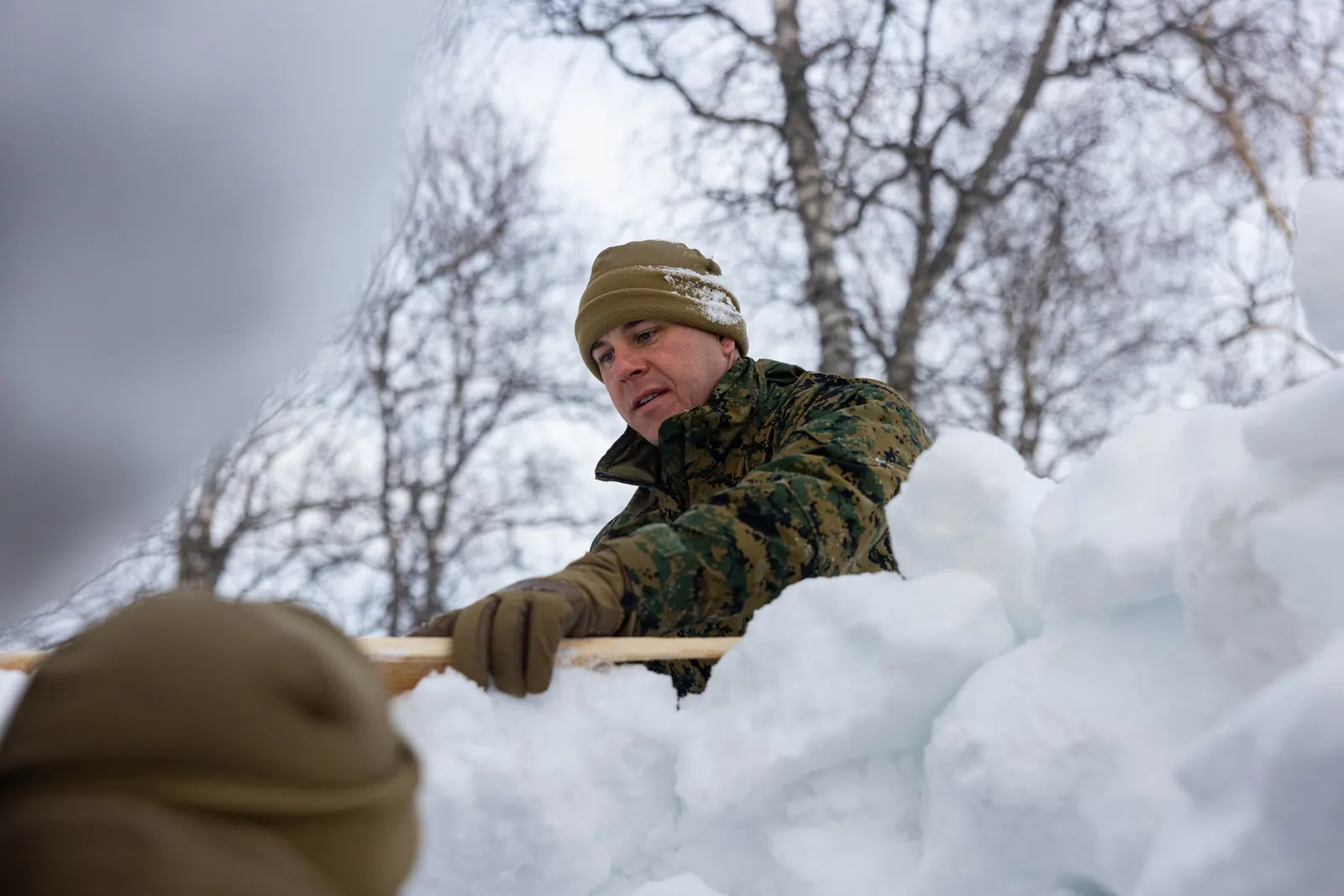
The basic alpine survival pathway connects a summer foundation course at the Jagdkommando with summer and winter training in high mountain terrain. The two-week winter model first addresses snowshoe movement, alpine hazards, first aid, snow shelters, obtaining water and preparing food with a petrol stove. Participants then use the available emergency equipment during a continuous simulated emergency lasting three days and two nights. A snow bivouac uses the surrounding snow as a protective enclosure against outside cold.
The survival packs in the described mountain-flight model are designed for two crew members and a supply period of up to 72 hours. The crew must allocate these resources to protection and supplies. This period is an equipment planning figure; weather, injuries and actual access determine when pickup becomes possible.
In summer mountain terrain without an enemy threat, the commander decides whether to remain with the aircraft or descend to a safer position. Weather, terrain, injured people and the prospects of pickup determine the route. Water is treated and put into the available containers before continuing. The extra supply adds carrying weight but provides water for the next leg without immediate access to another source. Rest periods and limited food are allocated; injured people need assistance and may have to be moved using improvised transport. Crevasses, rockfall and changing weather can make an otherwise favourable route unusable.
The person's own contribution to recovery
Recovery preparation begins with personal emergency planning and the agreement for pickup. The Austrian B/PR task brings rendezvous points and a previously agreed signal together in practice. For the isolated person, this means taking and retaining available signalling equipment, reaching the intended contact point and using the agreed signal towards friendly forces. Concealment, onward movement and contact must work towards the same objective.
Once contact is actually established, it is used to confirm identity and pass pickup instructions. The person must provide the required identity information and coordinate subsequent conduct with those instructions. The particular pickup point and the recovery forces' access determine the final movement. In Austria, Jagdkommando personnel can reach and secure the person; removal may use air or ground transport. This requires available forces, an accessible location and means suited to the threat.
During an alpine pickup without an enemy threat, signalling primarily helps the force locate the crew. As friendly helicopters approach, a signal mirror and the orange side of a reversible jacket draw attention to the crew. Pickup then uses a winch. The conspicuous surface assists location in this setting. In hostile territory, previously coordinated contact must operate alongside the continuing task of remaining concealed from the enemy.
The appearance of U.S. Department of War (DoW) visual information does not imply or constitute DoW endorsement.