

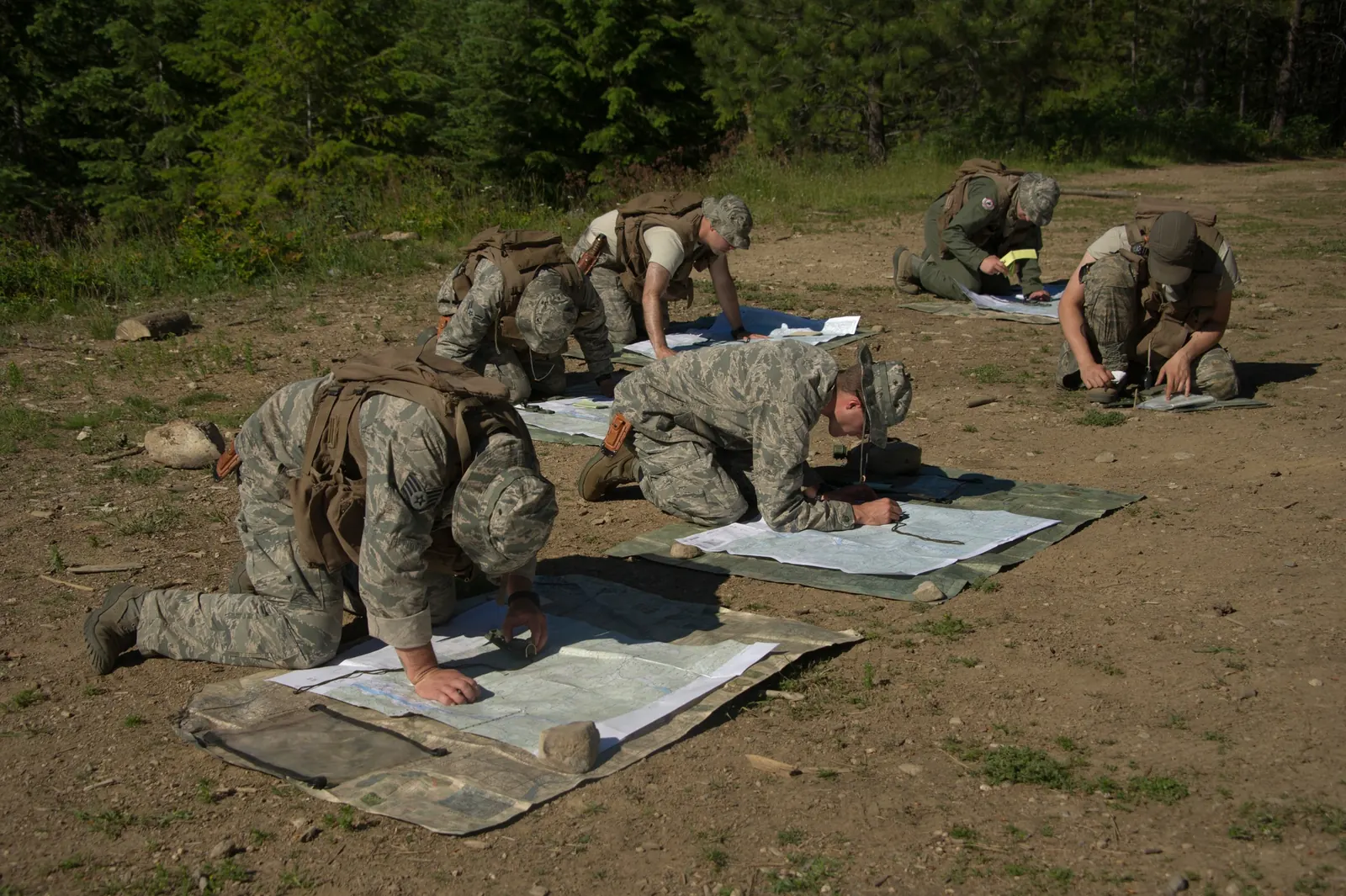
Within the NATO framework, SERE Level A provides the foundations for possible isolation. Level B adds practical Survival and Evasion training. Level C includes extensive practical Survival, Evasion and Resistance training for personnel at high risk of isolation or exploitation.
The risk behind the training category
Assignment takes account of the unit, military role, mission and individual responsibilities. Alongside the likelihood of isolation, it considers what information an adversary could obtain and the consequences of exploitation. Particular knowledge may make someone valuable even without senior rank.
A, B and C within the NATO framework
| Level and risk | Specified training scope |
|---|---|
| Level A Low risk | Basic academic education at a minimum, for example through a briefing or online training. Basic practical Survival training in a controlled environment may be added. |
| Level B Medium risk | Basic academic education and practical Survival and Evasion training. Resistance is addressed in the classroom. |
| Level C High risk | Academic education and extensive practical Survival, Evasion and Resistance training in a strictly controlled, realistic environment. |
The German implementation of A is purely theoretical. The NATO framework, by contrast, allows basic practical Survival additions at A.
Survival and Evasion: foundations and integrated field phases
The French A model includes knowledge of protection, location, water, food and personal equipment. It also covers the physical and time-related factors affecting survival and the principles of avoiding capture.
At B, participants in the French model practise how to act immediately after isolation and use their personal resources. This includes positioning and navigation equipment, capture-avoidance procedures and actions facilitating recovery. The German B model names field tasks such as shelter, fire, water and food preparation, an evasion exercise and conduct during pickup by friendly forces.
One US Army C model combines academic preparation and practical field skills with an integrated Survival and Evasion field phase. Students procure water and food, establish temporary living sites and move while a simulated opposing force searches for them. A simulated prisoner-of-war camp follows, with individual and collective Resistance tasks.
In another US Army C example, limited food and sleep reduce the strength available. While opposing forces search for them, participants must decide how much time they can spend obtaining food and still reach the designated recovery area. Food helps maintain the strength needed to keep moving; a longer stay costs time and increases the risk of detection.
Classroom Resistance and practical captivity training
The French A model provides foundations in information protection, captivity and the differences between prisoners of war, government detainees and hostages. B addresses psychological and legal aspects, including resistance to exploitation by state and non-state captors. C includes practical application of resistance in these captivity settings.
The US ECAC model, Evasion and Conduct After Capture, is explicitly Level B. It combines academic wartime, peacetime and hostage captivity training with role-play and a practical evasion laboratory. It culminates in a Hostage Resistance Training Laboratory, a simulated hostage setting with practical Resistance training. A B programme may therefore already include practical captivity elements.
The Dutch SERE-B component for Air Mobile Protection Teams also teaches developing and applying a survival strategy, alongside resistance to questioning and exploitation. Resistance instructors from the SERE school deliver this component. Other AMPT subjects concern aircraft protection and belong to the teams' wider training.
Recovery: position signals, communication and identity checks
Recovery enters the French level model at A as a foundational subject: simple or improvised position signals, different recovery methods and conduct towards a recovery force. Generic identification and authentication methods may be introduced at A during preparation for a specific theatre.
At B, the French model includes using personal communications equipment and responding to identification and authentication procedures. The French C model aims at mastery of the specified PR instructions and national recovery procedures.
A position signal helps establish where someone is. Authentication checks whether the contact is actually the friendly person being sought. It protects sensitive information and reduces risk to isolated personnel and the recovery force.
The German B model also includes preparation using an ISOPREP and an EPA. The ISOPREP holds information supporting identification and authentication; the Evasion Plan of Action communicates intended actions during evasion. These records are prepared before possible isolation and may assist recovery forces with the search and establishing contact.
National conduct frameworks and component programmes
The US Code-of-Conduct levels organise training in the national conduct code. A provides the foundation for everyone on entry into the armed forces. B extends it when personnel assume duties involving moderate risk of capture. C addresses personnel at high risk of capture and particularly vulnerable to exploitation because of their position or responsibilities. This classification concerns conduct under hostile control and protection against exploitation.
The German model assigns SERE levels according to personnel group and risk. At C, preparation includes further Survival and Evasion skills and appropriate conduct as a prisoner of war. RtoI, Resistance to Interrogation, adds training in resisting questioning for designated personnel, particularly special forces and aircrew. In one course model with RtoI, simulated captivity and questioning follow the evasion phase.
In the Dutch air-mobile Level B pilot model, an online A module prepares personnel for the subsequent B course with academic instruction and field tasks.
Australian Conduct After Capture, or CAC, is a Resistance component within SERE with its own A, B and C levels. One CAC model begins with computer-based foundations at A, addresses captivity through a theoretical B workshop and uses practical captivity scenarios at C. These cover government detention, hostage situations and military exploitation.
The United Kingdom delivers SERE Level B at unit level. Only the Defence SERE Training Organisation is authorised to deliver Level C.
Climate and mission-related additions
One Dutch environmental model supplements SERE with desert or Arctic training. In the desert example, academic instruction is followed by local Survival tasks and then an Evasion phase: concealment by day and movement by night while a simulated adversary searches.
In the French model, pre-deployment preparation supplements the level with local environmental conditions, equipment and PR procedures. These include the signalling and communications equipment designated for that theatre and its recovery procedures.
The appearance of U.S. Department of War (DoW) visual information does not imply or constitute DoW endorsement.