

Combat Survival · SERE · Personnel Recovery
Knowledge
SERE, combat survival and personnel recovery: military training, SERE and evasion techniques, and specialist courses across international armed forces.
Combat Survival
Isolation, pressure and decisions under military threat.
 Combat SurvivalHow isolated people under military threat treat injuries, find shelter, manage supplies and plan their return to friendly forces.
 Military survival trainingHow military survival training prepares personnel to sustain themselves, move unseen, cope with captivity and assist in recovery, with examples for ground troops and aircrew.
 Survival, combat survival and SERE comparedHow hostile threats and captor control change rest, sustenance, information protection and recovery.
 The Development of Military Survival TrainingThe development of military survival training: environmental hazards, hostile searches, information protection in captivity and cooperation during recovery.
 Military isolation: assess the situation and actAfter separation from friendly forces, assess the situation, condition and remaining resources: choose a concealed halt or movement, including after losing equipment and prepared plans.
 Military situational assessment: choose the next actionAssess observations and available resources, then choose whether to halt, move or make contact. New threats and changes in physical condition may require a different decision.
 Military survival equipment and personal kitsWhich personal capabilities remain after baggage loss, and how medical supplies, weather protection, water, repair items and recovery aids stay accessible and usable.
 Stress, sleep loss and exhaustion in military isolationObserving and deciding under threat with little sleep and declining strength: checking cues, taking task breaks, using sleep opportunities and allocating effort.
 Individuals and groups in military isolationHow isolated people handle several tasks in sequence when alone, and how a group divides observation, sustainment and movement, with responsibilities towards casualties and fellow captives.
SERE
Training levels, captivity and preparation for survival and recovery.
 SERESurvival, evasion, resistance and escape or extraction: staying alive, avoiding capture, resisting exploitation and returning to friendly forces.
 SERE Level AThe foundational SERE level: what isolated personnel should know about sustenance, evasion, captivity, position reporting and contact with friendly forces.
 SERE Level BPractical survival and evasion for a moderate risk of isolation, including navigation, personal equipment, supplies and preparation for recovery and captivity.
 SERE Level CAdvanced practical training for a high risk of isolation: survival under threat, extended evasion, captivity scenarios and recovery.
 SERE Levels A, B and C ComparedHow SERE A, B and C differ in field tasks, captivity and recovery, and how individual countries implement the levels.
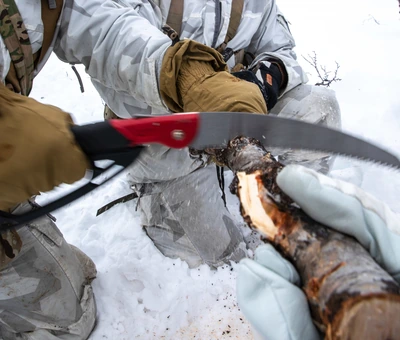
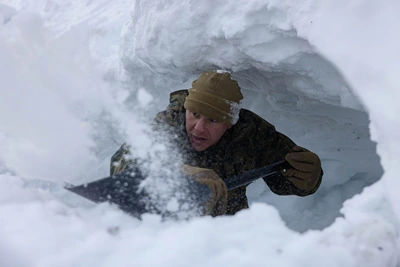
 Survival under threat: condition, protection and sustenanceHow an isolated person treats injuries, protects against cold and heat, uses limited supplies and finds rest under threat.
 Evasion: Avoiding Capture and Returning to Friendly ForcesHow isolated personnel assess their situation, move and sustain themselves under threat, and prepare to contact friendly forces.
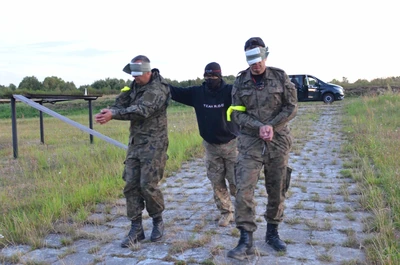
 Resistance: Conduct and Tasks in CaptivityHow captives protect information and fellow prisoners, manage their welfare and limit exploitation, with differing national rules for conduct.
 Escape and extraction: preparation and physical pickupMaintain the ability to escape and knowledge of the location under captor control, continue evasion after escape if needed and prepare contact, recognition and pickup by friendly forces.
 SERE instructors and specialistsHow SERE instructors and specialists qualify and prepare personnel at risk for survival, captivity and recovery.
 Captivity and isolationHow restricted access to food, hygiene, rest and contact shapes daily life in captivity, and which actions remain within the captive’s control.
 SERE C in GermanyGerman C training for personnel and aircrew at particular risk: field sustainment, evasion and captivity, with additional preparation for resisting interrogation and personal recovery tasks.
Personnel Recovery
Contact, recognition and pickup of isolated personnel, followed by reintegration.
 Personnel recoveryHow isolated personnel are located, supported and recovered, and how the individual, coordination centres and recovery forces work together.
 Reintegration after military isolationCare after recovery, personal participation and US reintegration phases: debriefing, contact with family and return to the unit.
SERE and evasion techniques
Hides, camouflage, reducing signs and movement during evasion.
 Evasion hides: hide sites and hole-up areasHow isolated personnel use a concealed stay to assess the situation, rest and prepare further evasion, with hide sites, hole-up areas and the BLISS criteria.
 Tap Code: Communication in CaptivityTransmitting letters through counted groups of taps: structure, use and limits of a communication technique used by prisoners of war.
 Reducing Ground and Vegetation Sign during EvasionHow footsteps, vegetation contact and equipment leave visible sign, and how unnecessary disturbance can be reduced during military evasion.
 Evasion on Ridges: Military Crest and SilhouetteHow slope shape, background and viewing direction determine which movement space below a ridge edge is actually screened.
 Evasion under thermal observationHow barriers screen the body, how movement and contact heat can stand out, and why the thermal background changes during a halt.
 Eye-blink Morse: visual communication in captivityPrepare and send a short message of your own through eyelid closures, then check the received content: characters, gaps, replies and repetition.
 Night observation without night-vision equipmentDark adaptation, off-centre viewing and orderly scanning for observation halts during night evasion.
Signals and communications
Signalling and communication during isolation and recovery.
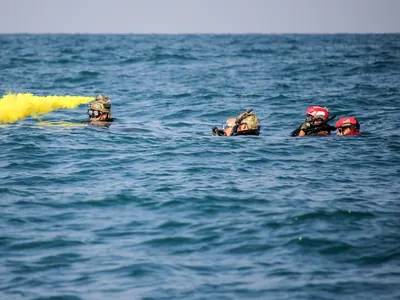
 Signalling, recognition and pickup in military isolationHow an isolated person uses mirrors, light, ground signs and sound, checks contact and chooses between prepared recognition and conspicuous distress marking.
 Pointee-talkee: communication during evasionHow a prepared military language aid conveys specific questions and replies without a shared language, and keeps their meaning aligned throughout an exchange.
Training worldwide
National training systems, associated courses and the differences between them.
Australia
1 article
Colombia
1 article
Germany
3 articles German SERE: from evasion to recoveryHow the Bundeswehr prepares personnel for military isolation: field sustenance and movement, information protection as prisoners of war, signalling and pickup by friendly forces.
 The Bundeswehr Einzelkämpfer courseHow EKL prepares military leaders for survival, evasion and the return of a group cut off from friendly forces.
 EK 2: Jagdkommando leader trainingHow the advanced course prepares leaders to accomplish an assigned mission and command a reinforced platoon without regular support.
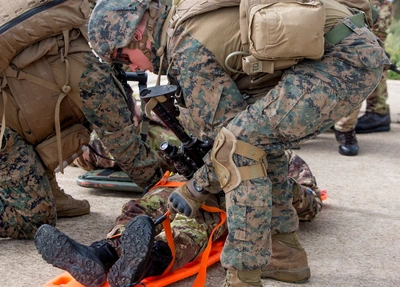
Netherlands
1 article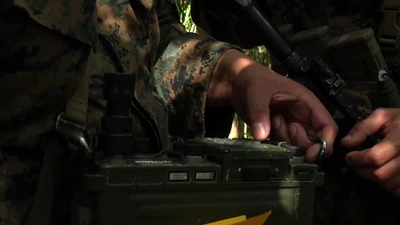
New Zealand
1 article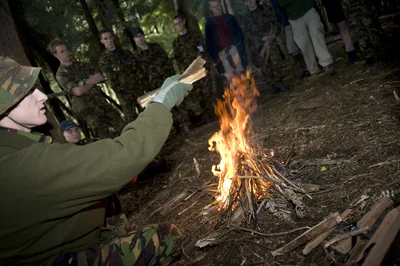
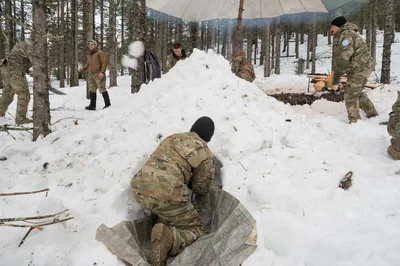
United Kingdom
1 article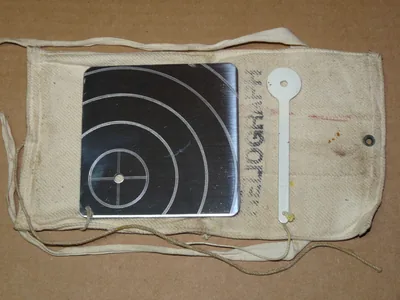
United States
3 articles US SERE: isolation, captivity and returnHow isolated US personnel act with limited resources, resist exploitation and prepare for a possible return to friendly control.
 SERE Training in the US ArmySurvival and evasion with limited means, information protection in captivity and return: the current Fort Rucker programme and an earlier Army special-operations course model.
 SERE Training in the US NavyHow Navy SERE prepares personnel at risk for military isolation: practical field tasks, conduct in captivity and the person’s own role in possible recovery.
Image credits
The appearance of U.S. Department of War (DoW) visual information does not imply or constitute DoW endorsement.